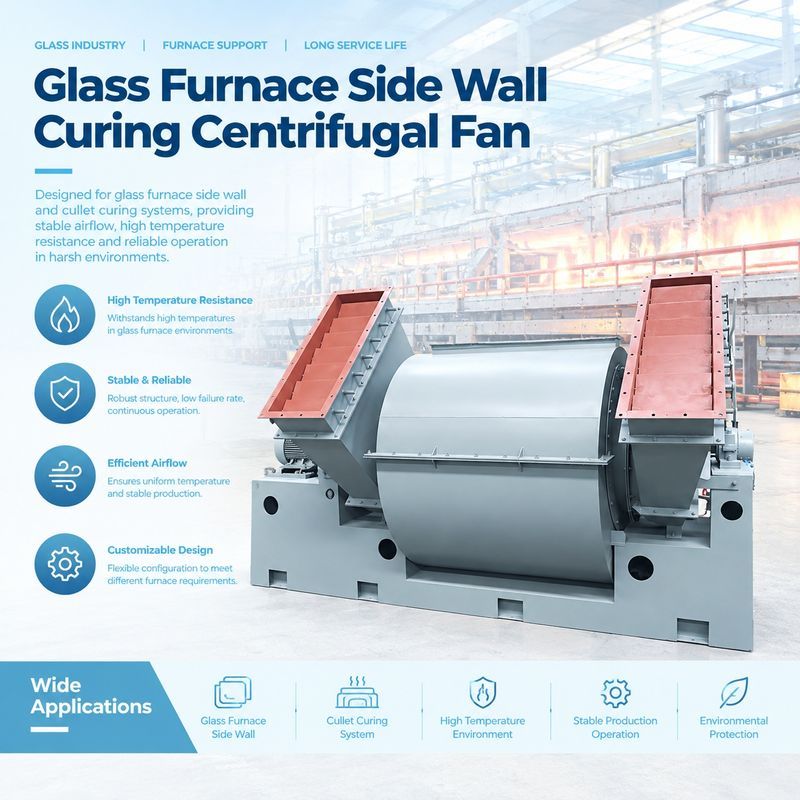
Glass Furnace Tank Wall Cooling Fan
- 1.00 1 - 10 pieces
- 1.00 11 - 21 pieces
Glass Furnace Tank Wall Cooling Fan
Glass Furnace Tank Wall Cooling Fan | Furnace Sidewall Cooling Fan | Glass Melting Furnace Cooling Fan
Product Overview
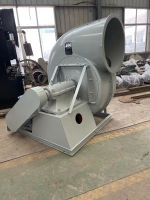
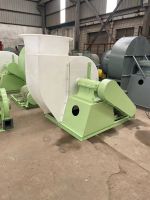
The Glass Furnace Tank Wall Cooling Fan is a specialized industrial ventilation fan designed to provide controlled forced-air cooling for the tank walls, sidewalls and surrounding structures of glass melting furnaces.
During continuous glass melting operations, the furnace sidewalls and tank areas are exposed to high temperatures and demanding thermal conditions. Proper external air cooling can help control surface temperatures, reduce excessive heat accumulation and support the protection of furnace structures and refractory components.
EMS supplies customized glass furnace cooling fans for glass manufacturing plants, container glass production, flat glass production, fiberglass production and other high-temperature glass melting processes.
The fan can be configured according to required airflow, static pressure, cooling area, duct arrangement, operating temperature and installation conditions.
Key Features
1. Designed for Glass Furnace Sidewall Cooling
The fan is specifically configured for forced-air cooling around:
· Glass furnace tank walls
· Furnace sidewalls
· Furnace exterior surfaces
· Tank blocks
· Furnace steel structures
· High-temperature surrounding areas
2. Stable High-Volume Airflow
The fan provides continuous airflow to distribute cooling air across designated furnace areas.
Airflow can be adjusted according to:
· Furnace dimensions
· Cooling zones
· Surface temperature
· Number of cooling points
· Duct configuration
3. Continuous Industrial Operation
Glass furnaces commonly operate continuously for extended periods.
The fan can therefore be configured with industrial-duty:
· Motor
· Bearings
· Shaft
· Impeller
· Casing
· Drive system
according to the operating requirements.
4. Multiple Cooling Zone Configurations
One fan system can supply air to multiple cooling locations through a suitable duct or distribution system.
Typical zones may include:
· Furnace sidewalls
· Tank wall sections
· Corner areas
· Bottom-side areas
· Furnace steel structures
5. Variable Airflow Control
A VFD can be used when different furnace sections require different airflow levels or when cooling demand changes with production conditions.
6. Customized Fan Construction
EMS can customize the fan according to:
· Airflow
· Static pressure
· Fan size
· Motor power
· Fan speed
· Installation position
· Outlet direction
· Duct connection
· Material
· VFD requirements



Paper Mill Boiler Centrifugal Fan | Industrial Boiler Fan

Paper Mill Waste Gas Treatment Centrifugal Fan
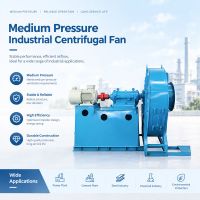
Industrial Medium-Pressure Heavy-Duty Centrifugal Fan
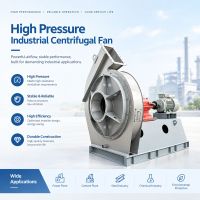
Industrial High-Pressure Heavy-Duty Centrifugal Fan